
Time flies when you’re having fun–and 2026 is off to an insane start. Many of us descended on Las Vegas last month (some of us two weeks in a row!) for two of the biggest industry gatherings of the year: UNLEASH US and Transform.
They are very different events, with different energy, different audiences, and different strengths. But after sitting through the keynotes, the breakout sessions, the dinners, 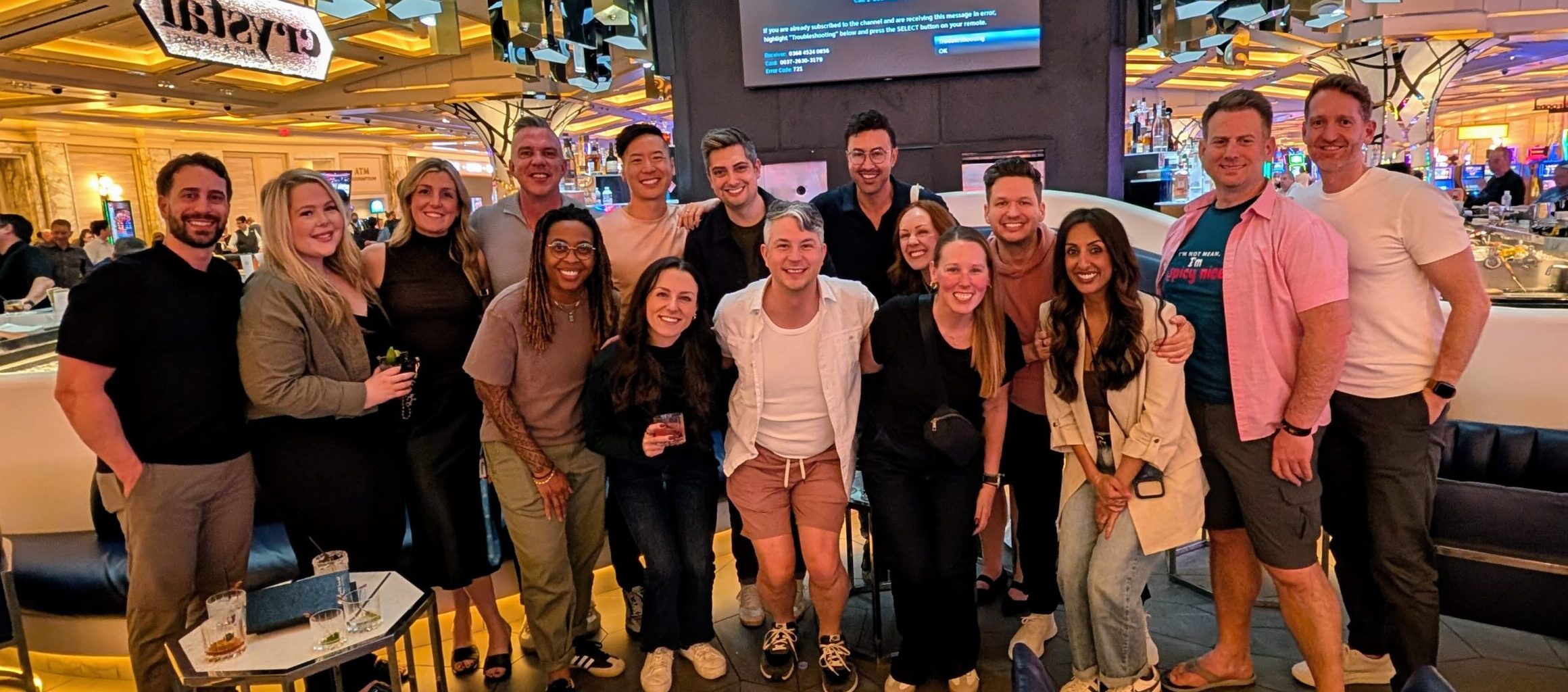 AND the first-ever queer meetup in the industry (sponsored by Glider AI!), I walked away with one very clear impression that showed up across both.
The strongest signal coming out of the Spring’s flagship conferences wasn’t AI hype… More palpable was widespread desire for concrete best practices and clarity—and a pervasive sense that there’s an overabundance of ideas without evidence going around.
As someone who works closely with the UNLEASH and Transform teams to create meaningful learning opportunities and networking to their audiences, that may sound harsh. So let me be clear: Both events offered incredible networking opportunities and brought together some of the most innovative HR and talent professionals and solution providers in the industry.
In fact, these shows matter a great deal right now precisely because they create the conditions for this kind of signal to surface.
Whenever practitioners, vendors, operators, analysts, and advisors gather in one place, the distance between what’s being said and what people actually need becomes much harder to ignore. And at the events that kick off the year, that tension was easy to spot–and it’s the signal I’m paying closest attention to this year.
From Boardrooms
to Breakouts: We Need
to Go Deeper
The unsated appetite for applied knowledge and case studies I’m tracking was felt most acutely in the breakout sessions, which, to me, are what make or break a conference.
These are the rooms where people are looking for conversations that move beyond polished narratives and broad exhortations fit for main-stage motivational speakers. They want to see what their colleagues are actually doing with AI, how they’re actually applying it, where it is helping vs. where it is falling short, and what lessons have been learned in the process.
They know no one has all of the answers–not even your favorite industry analyst hehe–but they are looking to build their collective knowledgebase and their networks at these events.
More than once, I heard some version of the same frustration from both practitioners and vendors: too much conversation, not enough presentation; too many talk tracks, not enough examples; too much posturing, not enough practical tools.
There were some exceptions:
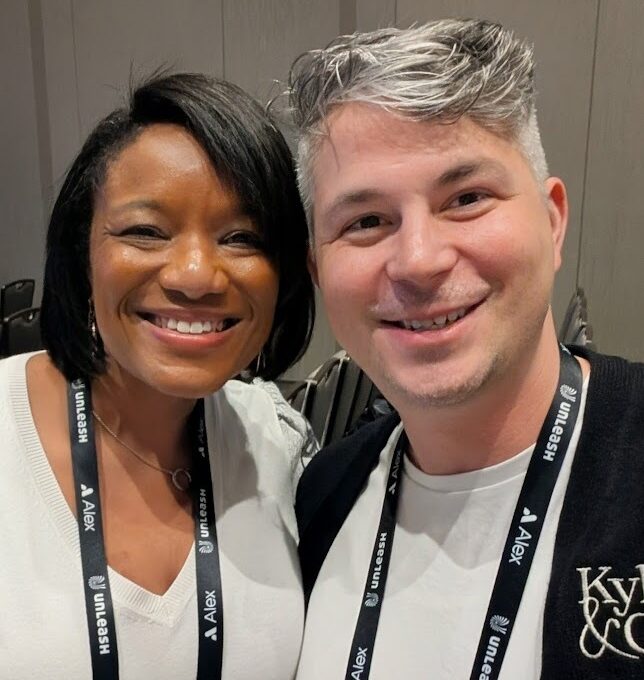
- My friend Tiffani Murray sat on an incredible panel of HR technology leaders at Unleash, and shared real stories about how they are partnering with the rest of their colleagues in the business to navigate AI transformation. Though it was in the afternoon on the last day, the room was full of practitioners eager to learn.
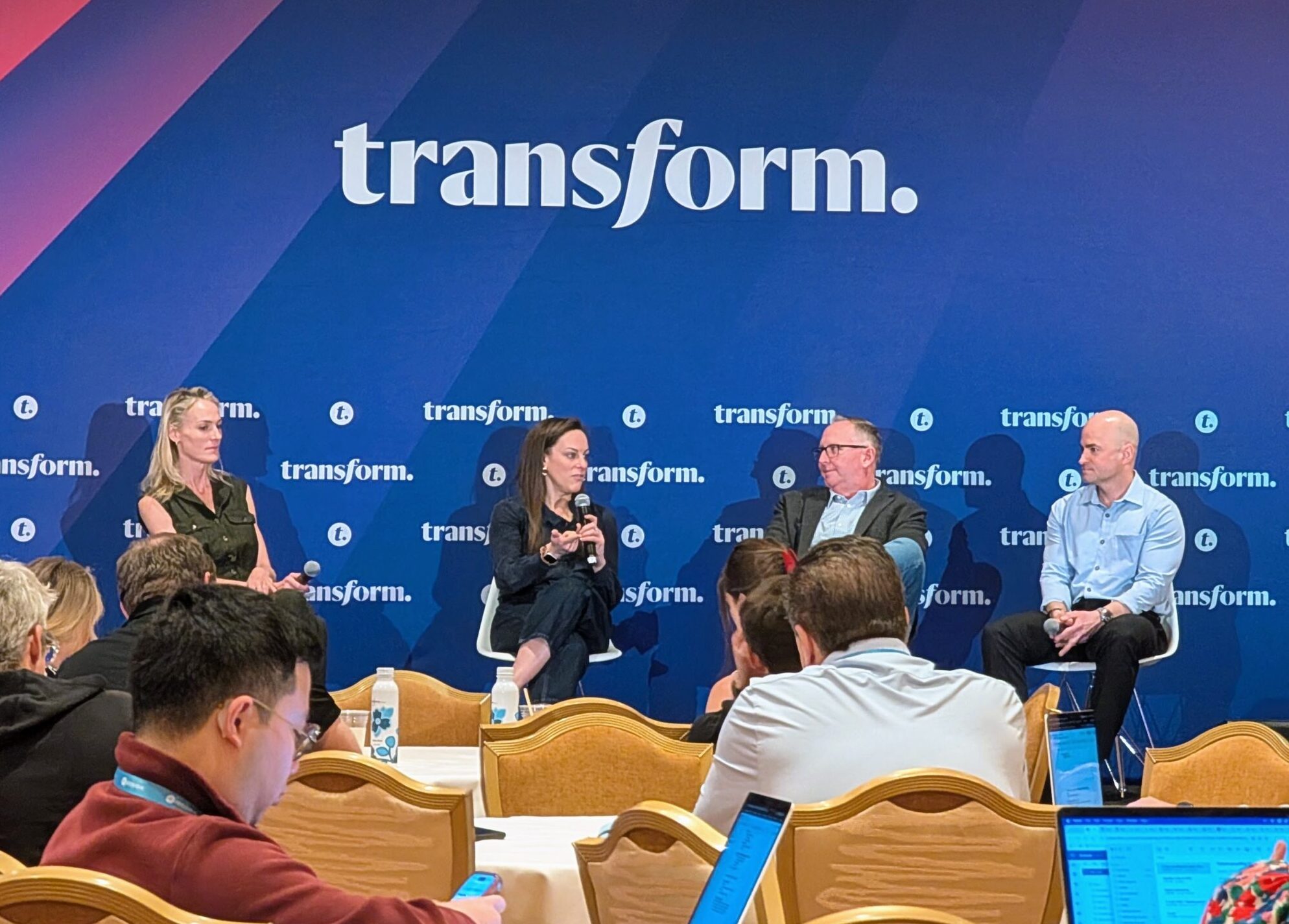
- Boston’s Big Three–Becky McCullough, Eric Trickett, and Jeff Moore–sat on a great panel at Transform discussing what transformation really, practically means for talent functions. They opened up about how their work is changing, and how they’re rethinking their team structures and roles without having all of the answers. Also scheduled for the afternoon of the last day… and also full of people with their notebooks out.
Panels still have a place in this era of HR’s evolution when the conversations go deep enough to give us real stories and examples of what’s working, what’s not, and how our colleagues are thinking through the complex problems in front of us.
That’s why the keynotes that resonated most with me did so for very similar reasons, even though they came from very different people.
Amy Edmondson from Harvard Business School at UNLEASH and Taylor Stockton from the Department of Labor at Transform both stood out because they offered something grounded, useful, and practical. They gave people something to work with. In a market overflowing with language about transformation, orchestration, reinvention, and agents, the kind of clarity and gravity they brought to their work feels unusually generous.
We saw a version of that same dynamic in our own sessions, first at UNLEASH with Susan Jackson (and Tara Torres in spirit!) and then again at Transform with Melissa Laswell and Rachel Bourne. We continued bringing the HCAIC’s work into the open, and the feedback that meant the most to me wasn’t that the sessions were energizing or provocative, but that they met the moment:
“This is the most useful session I attended all week.”
“This was the best session for me because I can actually apply this.”
“Thank you for making this available.”
That kind of response tells me a lot more than applause or compliments ever could. It almost sounds like relief… And I think that says a great deal about where the ecosystem is right now.
A Call for Collective Learning: The HCAIC Continues
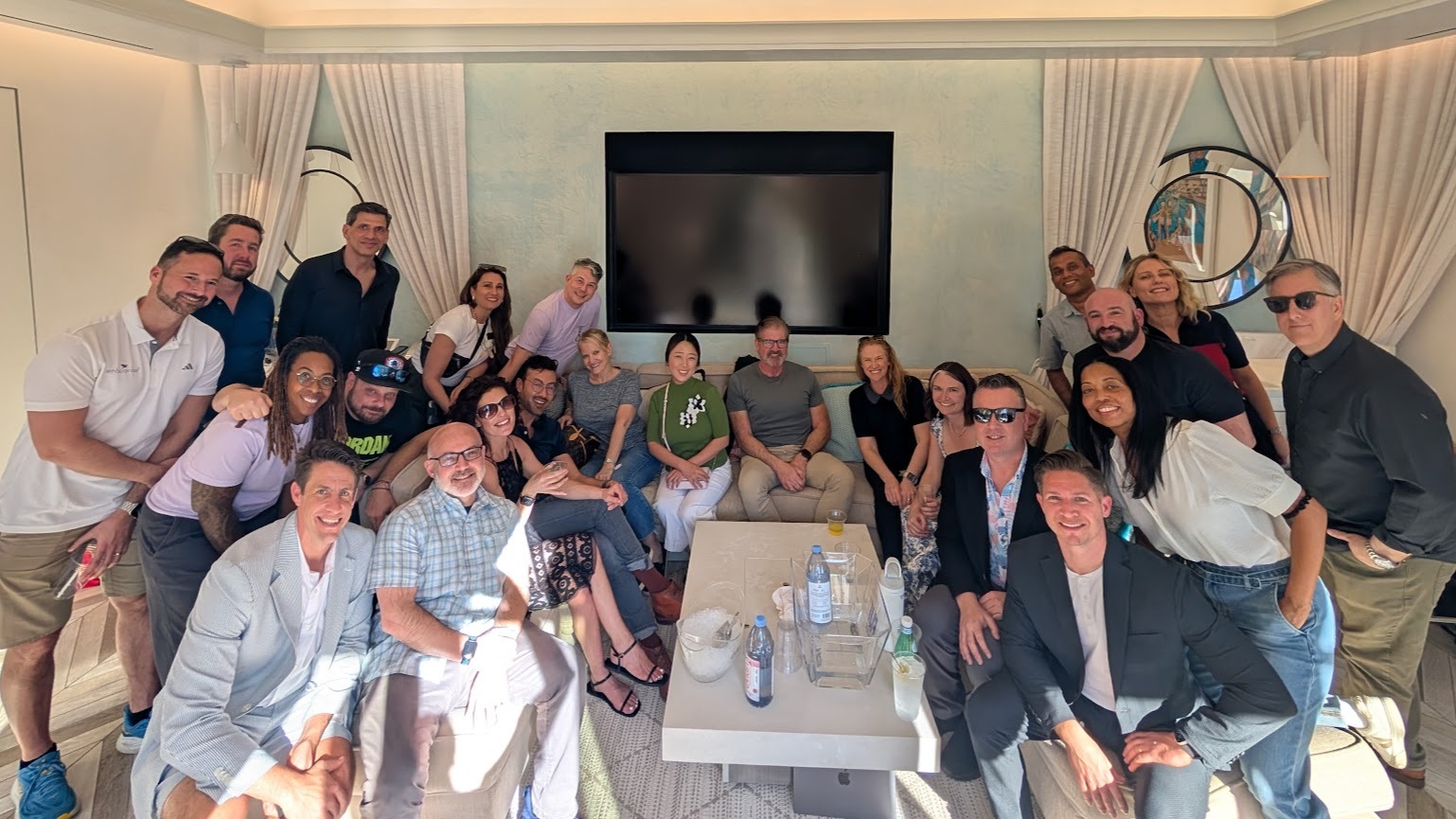
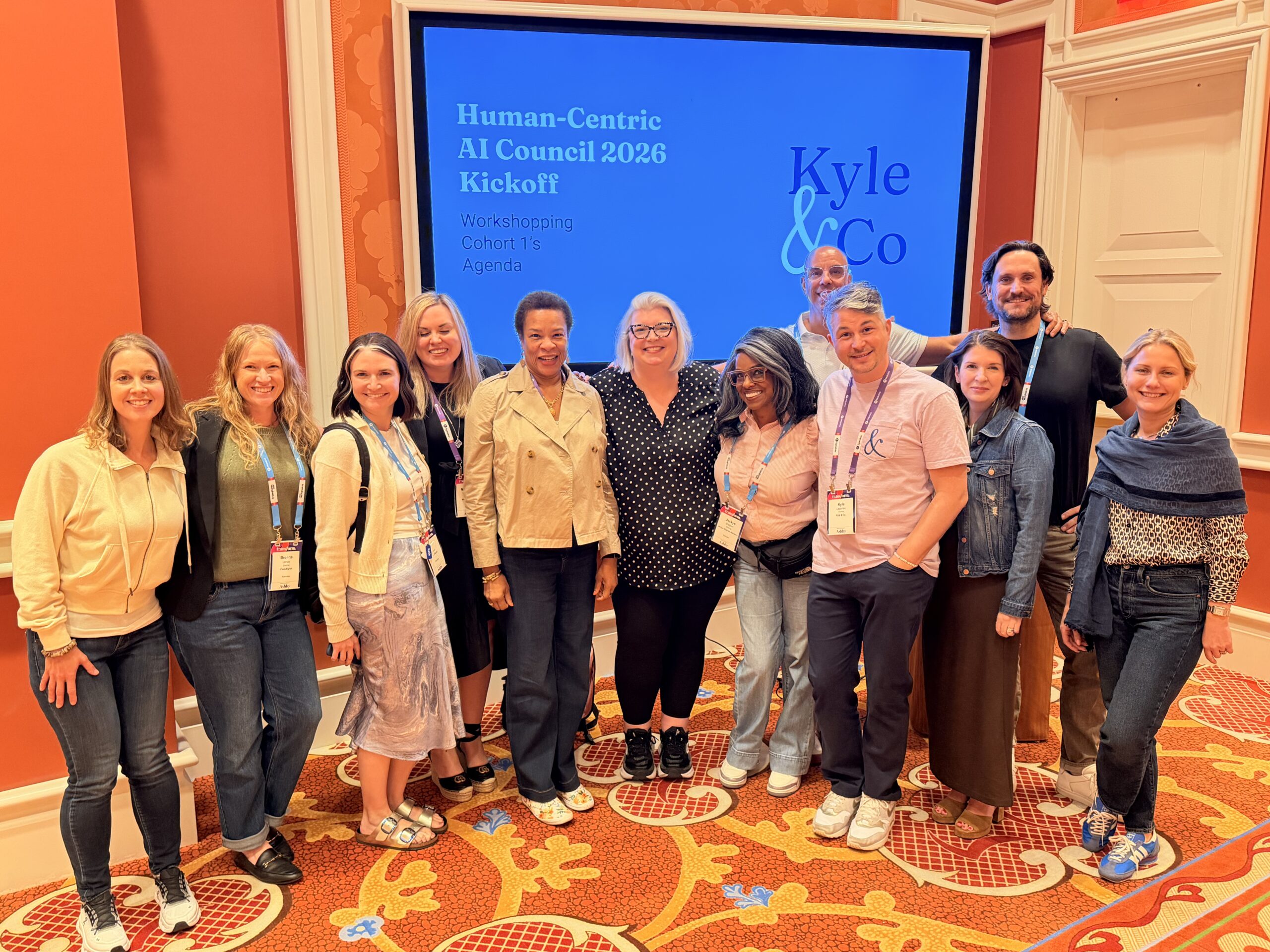
A year ago, when I brought together the Human-Centric AI Council, the urgency in front of us felt a little different: The question then was how HR would navigate the massive waves of disruption AI was clearly going to drive. We were trying to help leaders get oriented, build shared language, and create practical frameworks and resources that would help HR engage with this moment more confidently and more responsibly.
That shaped the Council’s Year 1 agenda, and we produced a lot of great resources:
- A Responsible AI Transformation Framework, led by Tara Torres and Susan Jackson
- An AI Literacy Toolkit, along with an applied learning course with CodeSignal, led by Rachel Bourne and Melissa Laswell
- An AI Change Management Ebook, led by Alicia Miller
- An AI Solution Evaluation Framework, led by Lydia Wu
That work mattered–and it still does. But what feels different to me now is not just the relentless pace of change. It’s the shift in expectation.
Over the past eighteen months, the pressure on HR was to AI-ify everything and anything in pursuit of efficiency at scale. Move faster, automate more, reduce costs. Now the expectation is more demanding—and frankly, more complicated. Organizations still want efficiency at scale, but they are also looking for better decisions, higher-quality hires, stronger recommendations, and more strategic impact.
In other words, the bar has moved. Now teams are being asked to show outcomes–and they’re desperate to learn how from their peers and their solution providers.
That creates a real conundrum for a function that is not accustomed to moving under this kind of simultaneous pressure.
There is urgency to act, and there is real anxiety about taking the right actions, placing the right bets, and choosing the right problems to solve. Because proven best practices are still sparse, operating models are still emerging, and far too much of the market conversation is still built on aspiration rather than evidence, many teams find themselves caught between action and uncertainty.
They know they cannot wait, nor can they afford to get this wrong. That, to me, is why conferences matter so much right now.
Not because of the spectacle, and not because of the announcements, but because of what happens in the room. People are comparing notes, pressure-testing assumptions, sanity-checking decisions, and sharing what’s actually working—and what isn’t. They are encouraging each other, counseling each other, and learning together. And when something shows up that actually helps—something grounded enough to use—it lands in a completely different way.
What I saw at both UNLEASH and Transform was not a market looking for more inspiration. We have plenty! No, what I saw was a market looking for paths forward: real examples, viable models, sharper analysis, and tools that can help teams make better decisions under pressure.
That is what made the response to our work on the AI Council so meaningful: We didn’t show up with more ideas about what AI might become someday. We showed up with tools, frameworks, and working sessions meant to help people navigate what is already here. We did that at UNLEASH, and we continued it at Transform. In both places, the response was the same: gratitude for something practical, something concrete, something they could actually use.
That is also what’s shaping the next phase of our work.
Looking Ahead:
Renewed Focus for Kyle
& Co and the Human
Centric AI Council
If Year 1 of the HCAIC was about helping HR navigate disruption, Year 2 is about helping HR teams lead human-centric innovation more confidently and more concretely. As that agenda takes shape, the focus is moving deeper into areas like:
- Responsible AI in practice, not just in principle
- AI literacy that leads to real application, not just awareness
- Risk management and governance models that support responsible and effective innovation
- Case studies analyzing the real work our colleagues are doing with AI in HR
That same shift is reflected in the broader research agenda at Kyle & Co. I’m less interested in abstract futures than I am in the practical realities of what it takes to make this technology useful, usable, and responsible in the hands of real teams.
If I had to sum up what I’m taking away from these two shows, it’s this: The market has moved into a new phase, whether most of us are ready for it or not. The interest in AI is still there, of course. But tolerance for vague narratives and broad platitudes is fading fast. People want to see what works. They want to know what’s worth trying, what isn’t, and what conditions actually make progress possible.
They are looking for something they can stand on–and they’re willing to pay for it.
That, more than any flashy product announcement or over-engineered AI narratives, felt like the real story coming out of both events. And as I embark on my next bout of work travel (ADP’s Meeting of the Minds, Workhuman, Ashby One, and an Executive Forum for Frontline Workforce Innovation), I’ll be paying close attention to how these events differ (or don’t) from the season’s flagship shows.
More to come…